
The House Edge Explained
The concept of the house edge is fundamental to understanding why casinos are profitable establishments. The house edge refers to the mathematical advantage that a casino has over its players in various games. This percentage signifies the portion of each bet that the casino expects to keep over time. For example, if a game has a house edge of 5%, it means that for every $100 wagered, the casino anticipates keeping $5. Many players also explore betting sites canada to find games with better odds, but this built-in advantage ensures that, while players may win in the short term, the house consistently profits over the long term.
Understanding the house edge is crucial for any player looking to engage with casino games. Some believe that by using strategies or betting systems, they can effectively counteract this edge. However, many of these strategies are based on misconceptions and do not alter the fundamental odds of the games. For instance, a player might think that betting on black in roulette will yield a higher chance of winning due to previous outcomes, but each spin is an independent event with the same odds regardless of past results.
Ultimately, knowledge of the house edge helps players make informed decisions about their gambling activities. While there are games with lower house edges, like blackjack, which may offer better chances for skilled players, the house edge is a constant reminder that the odds are always slightly in favor of the casino. This means that, over time, the casino is likely to emerge as the winner, reinforcing the idea that beating the house is an ongoing challenge.
Common Myths about Beating the Casino
There are numerous myths surrounding the idea of beating the casino that can mislead players. One prevalent myth is the belief in “hot” and “cold” streaks in games of chance, such as slots or roulette. Players often feel that a machine is due for a payout after a series of losses or that a specific number is more likely to hit after going several turns without appearing. In reality, each outcome in these games is determined by random number generators, making every result independent and unaffected by previous spins or bets.
Another common myth is the success of betting systems, like the Martingale strategy, which suggests that players can recover losses by doubling their bets after each loss. While this may work in theory, in practice, it can lead to substantial financial risk. A long losing streak can quickly deplete a player’s bankroll, and most casinos impose betting limits that can make recovering losses impossible. Thus, the notion that a structured betting system can consistently outperform the house is more fantasy than reality.

Additionally, many players believe that they can change the odds of certain games through skill or strategy, particularly in games like poker or blackjack. While skill does play a significant role in these games, the house edge remains a constant factor. Even the most skilled players face the reality of variance and luck, which can lead to unpredictable outcomes. Consequently, considering these myths is essential for any player who wants to engage with casinos realistically.
The Role of Skill in Casino Games
While many casino games are heavily luck-based, some, like poker and blackjack, also incorporate skill and strategy. In poker, for example, players compete against each other rather than the house, which means that strong players can leverage their knowledge of the game to gain an advantage. However, even the most skilled poker players experience swings in fortune due to the inherent uncertainties involved in the game. This means that while skill can play a role in increasing the chances of winning, it cannot eliminate the house’s advantage entirely.
In blackjack, players can employ strategies like card counting to gain a slight edge over the house. However, casinos are well aware of this practice and often take measures to counteract card counters, such as changing the number of decks used or employing automatic shuffling machines. While these strategies can improve a player’s odds, they require a great deal of practice and never guarantee a win in every session, highlighting the limitations of skill in overcoming the house edge.
It’s important for players to assess their skills realistically when participating in casino games. While skill can potentially improve a player’s chances, especially in games that allow for strategic decision-making, no amount of skill can guarantee success. Players should approach each game with a clear understanding that the house always retains a statistical advantage, which can only be minimized, not eliminated, through skillful play.
Understanding Variance and Risk Management
Variance is a crucial concept in gambling that every player must understand to manage their expectations and strategies effectively. Variance refers to the inevitable fluctuations in outcomes that can occur in games of chance. For instance, a player might experience a winning streak followed by a series of losses, which can lead to confusion about their overall performance. Recognizing that variance is a natural part of gambling can help players maintain a more rational perspective on their experiences.
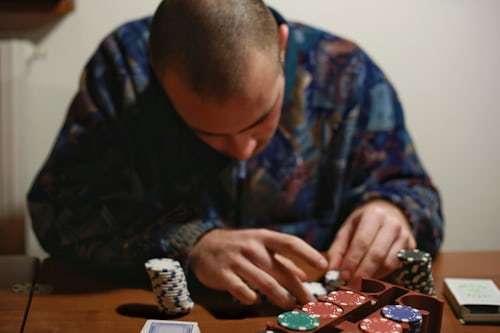
Effective risk management is essential for enjoying a safe and responsible casino experience. Players should set limits on how much they are willing to lose and stick to those limits, regardless of the outcomes. This disciplined approach allows for a more enjoyable experience without the pitfalls of chasing losses or getting caught up in the excitement of potential wins. Understanding one’s own level of risk tolerance and being mindful of emotional responses to wins and losses can lead to a healthier gambling relationship.
Moreover, players can apply strategies to mitigate the impact of variance on their overall experience. This might include diversifying the types of games played, adjusting bet sizes based on performance, or taking breaks to reassess their approach. By integrating these strategies into their play, individuals can engage with casino games more responsibly and with a clearer perspective on the realities of gambling.
Final Thoughts on Beating the House
Ultimately, while the dream of beating the house captivates many gamblers, it remains a challenging endeavor laden with misconceptions and unrealistic expectations. Understanding the mathematics behind casino games, including the house edge and the role of variance, is fundamental to making informed decisions. Players should recognize that while there may be legitimate strategies to minimize losses or enhance their experience, the house always possesses a statistical advantage that cannot be overlooked.
As players navigate the exciting yet unpredictable world of casinos, being aware of common myths and focusing on responsible gambling practices is essential. By prioritizing enjoyment over the pursuit of profit, individuals can cultivate a healthier relationship with gambling, which can lead to more fulfilling experiences over time. The key is to approach casino gambling with an attitude of fun rather than a desperate quest for victory.
For those interested in exploring further insights into casino games, strategies, and responsible gambling, our website offers a wealth of information. From comprehensive guides to individual games to expert tips on managing your bankroll, we aim to equip players with the knowledge they need to engage in casino gaming thoughtfully and enjoyably. Whether you’re a novice or a seasoned player, our resources can help enhance your understanding of the fascinating world of casinos.
